AI personalized children's books: how they actually work (and what's genuinely different)
AI personalized children's books: how they actually work (and what's genuinely different)
Most 'AI personalized books' are just name-swap templates with minimal AI involved. A newer type builds an original story from your child's drawing. Here's how each approach actually works.
Most just swap your child's name, or their face from a photo, into a pre-written story (the "AI" part is minimal). The newer kind starts with something your child drew and generates an original story around that specific character. The second type produces something no other child will have.
"AI personalized book" covers a wide range. Some products have been around for years and aren't doing much with AI at all. Others are genuinely building something new from your child's input. The difference matters.
The name-swap approach
Most personalized children's books work by inserting a child's name (sometimes a friend's name or a pet) into a pre-written story with pre-made illustrations. The text says "Emma found a magic key" instead of "A little girl found a magic key." That's the personalization.
Some of these use AI to handle text substitution and fit names grammatically. The illustrations and storyline are fixed. Every child who orders gets the same book, except for the name on the cover.
These work well. Kids respond to seeing their name in a story. The effect fades as children get older and realize the template, but for ages 2 to 5 it holds real attention.
The drawing-based approach
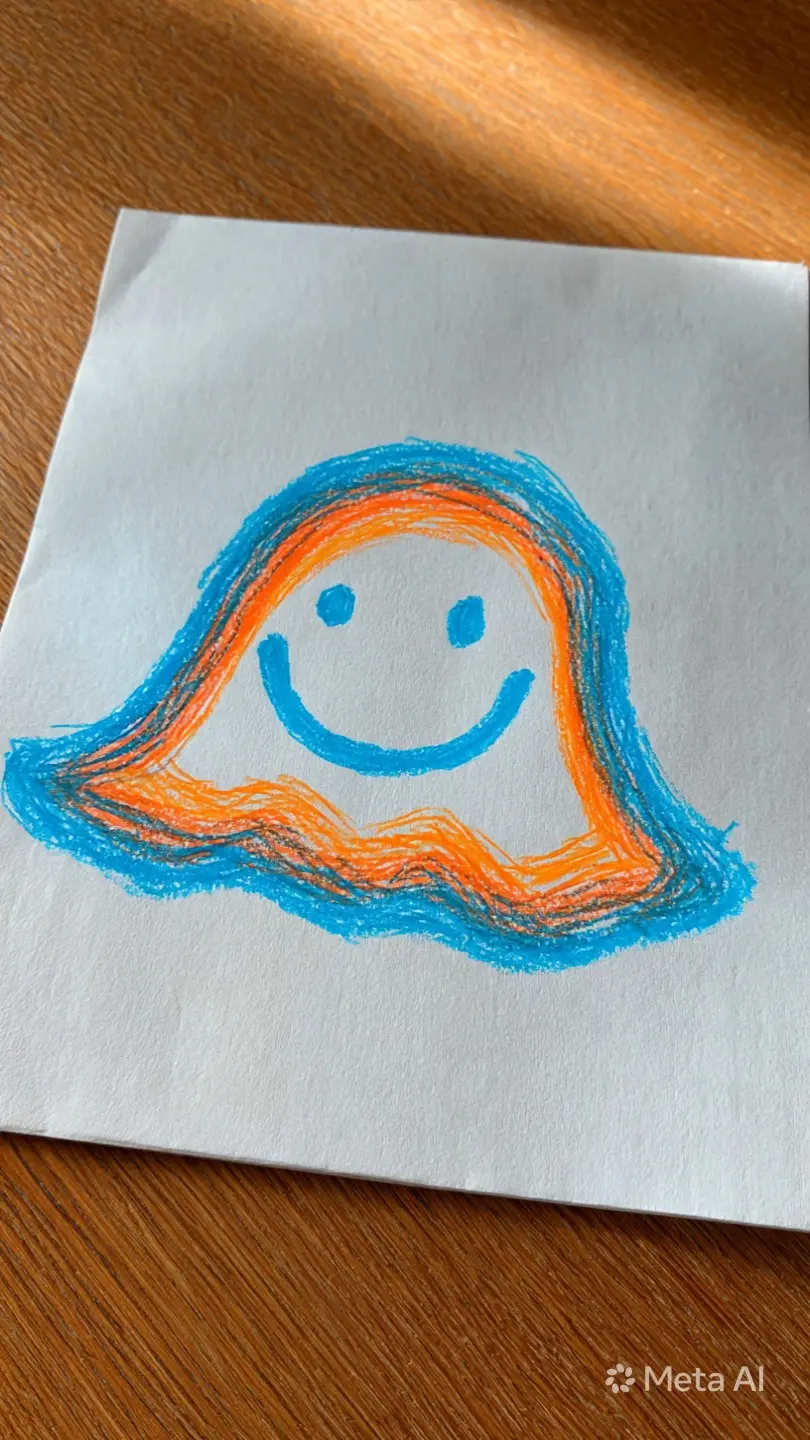
A newer category works differently. Instead of inserting a name into a fixed story, these products start from something the child drew and generate an original story built around that specific creation.
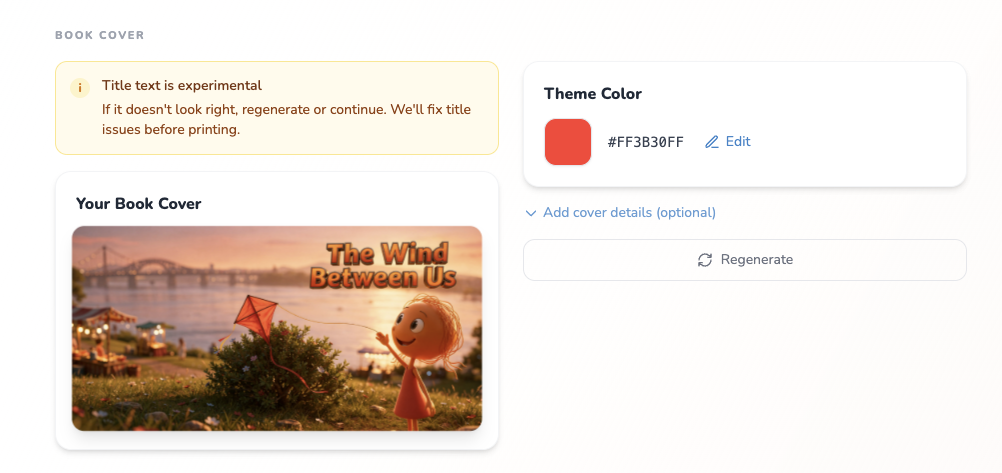
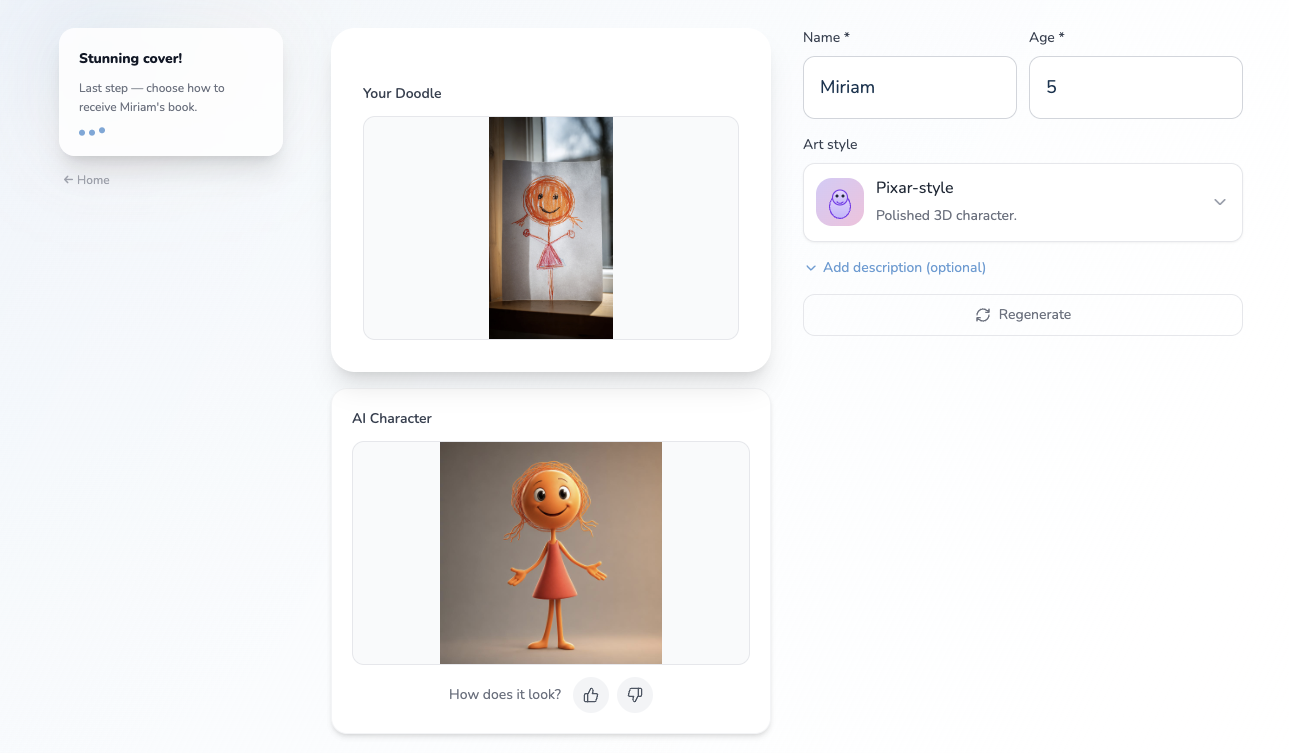
DoodleTale does this. You photograph a drawing, add the child's name and age, and the AI builds a character from what they drew and writes a story around it. No two books come out the same because no two drawings are the same.
The output lands differently. The child recognizes the character because they drew it. The story feels written for them specifically, not for any child who happens to share their name.
What the AI is actually doing
In name-swap books, AI (if present at all) handles grammar and text fitting. The story was written by a human, the illustrations were made by an illustrator, and AI handles the substitution.
In drawing-based books, AI is doing more: analyzing the drawing, then generating an original story built specifically for that child, with a beginning, middle, and end. The result is genuinely unique. It couldn't have existed before that specific child made that specific drawing.
The third type: photo-based books
Between the two sits a third approach worth naming, because it is growing fastest and it is the one most likely to be mis-sold to you as "AI personalization."
Photo-based books take an uploaded photograph of your child and place their likeness into an existing illustrated story. The technical work is real, and the result can be striking: the child genuinely appears to be in the pictures. But structurally it is the name-swap model with a better substitution engine. The plot, the scenes and the artwork existed before you arrived; what changed is whose face is in them.
It is worth knowing which of the three you are buying, because they age differently. A name lands earliest and fades first. A face lands almost as early and holds a little longer. A drawing needs the child to be old enough to draw, then holds longest, because the pride attaches to something they did rather than something they are. The full three-way comparison is here.
The character-consistency problem, and why it decides quality
If you take one technical thing away from this, make it this one.
Generating a good illustration of a character is easy now. Generating the same character thirty times, in different poses and scenes, with the same proportions and colors and personality, is hard. A model that draws a purple three-legged dog beautifully on page one will often produce a subtly different dog on page four, and by page twenty it is a different animal entirely.
This is the single clearest quality divider in AI children's books, and it is easy to test before you buy. Ask to see a full book rather than a cover. If a product will only show you sample covers and single spreads, that is usually why.
It also explains the price floor. Consistency is engineering, not generation, which is why free tools reliably fail at it and why a book that holds together across thirty pages is not free.
What happens to what you upload
A question parents ask more than they used to, and rightly.
Whatever you upload to any of these products, check two things: whether the file is used to train models, and how long it is retained. This matters more for photo-based books than for the other two, because a photograph of a child's face is a different category of data from a picture of a dog they drew. Nobody can identify a child from a crayon dragon.
For reference on this side: drawings uploaded to DoodleTale are used to generate your book, are not shared publicly, and are not used to train AI models. Whatever product you are considering, the policy should be findable in under a minute. If it isn't, that is information too. We went deeper on this in is it safe to use AI for kids' books.
What to check before ordering
If you're looking at an AI personalized book and want to know which type it is, ask one question: does my child's drawing actually appear in the book?
Name-swap books don't use your child's artwork. Their name appears, maybe their photo, but the illustrations are stock art made by the company. Drawing-based books feature your child's actual creation, usually on the cover and throughout.
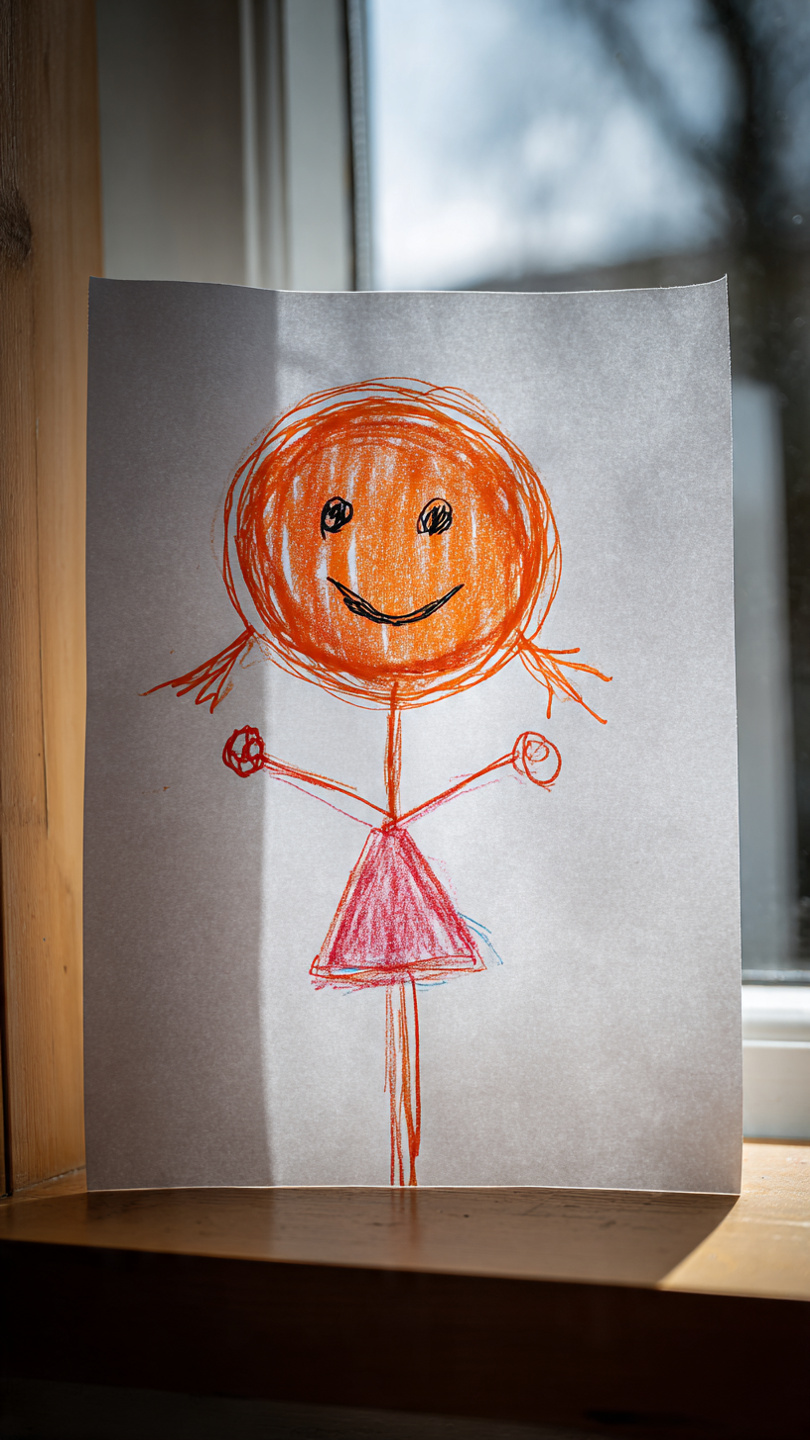
For younger children who haven't started drawing yet, name books are the better fit. For a child aged 4 and up who draws regularly, a book made from their own artwork is harder to put down and harder to outgrow.
How to order
If you want to try the drawing-based approach, you need a photo of a drawing on plain white paper with decent light and no shadows across the page. You can check current pricing before committing, and the FAQ covers what kinds of drawings work best.
The first time a child sees their crayon creature on the cover of a real book, they go quiet for a moment. Then they want to show everyone.
Two situations where the choice gets easier: if you're a grandparent buying from a distance, this gift guide covers getting the drawing without visiting; if it's a Christmas gift, ordering deadlines are here.
Try it yourself
Turn your child's drawing into a real storybook
Free preview. No account needed. Ships to US & Canada.
Start for free