How to create your own doodle book (two ways, depending on what you want)
How to create your own doodle book (two ways, depending on what you want)
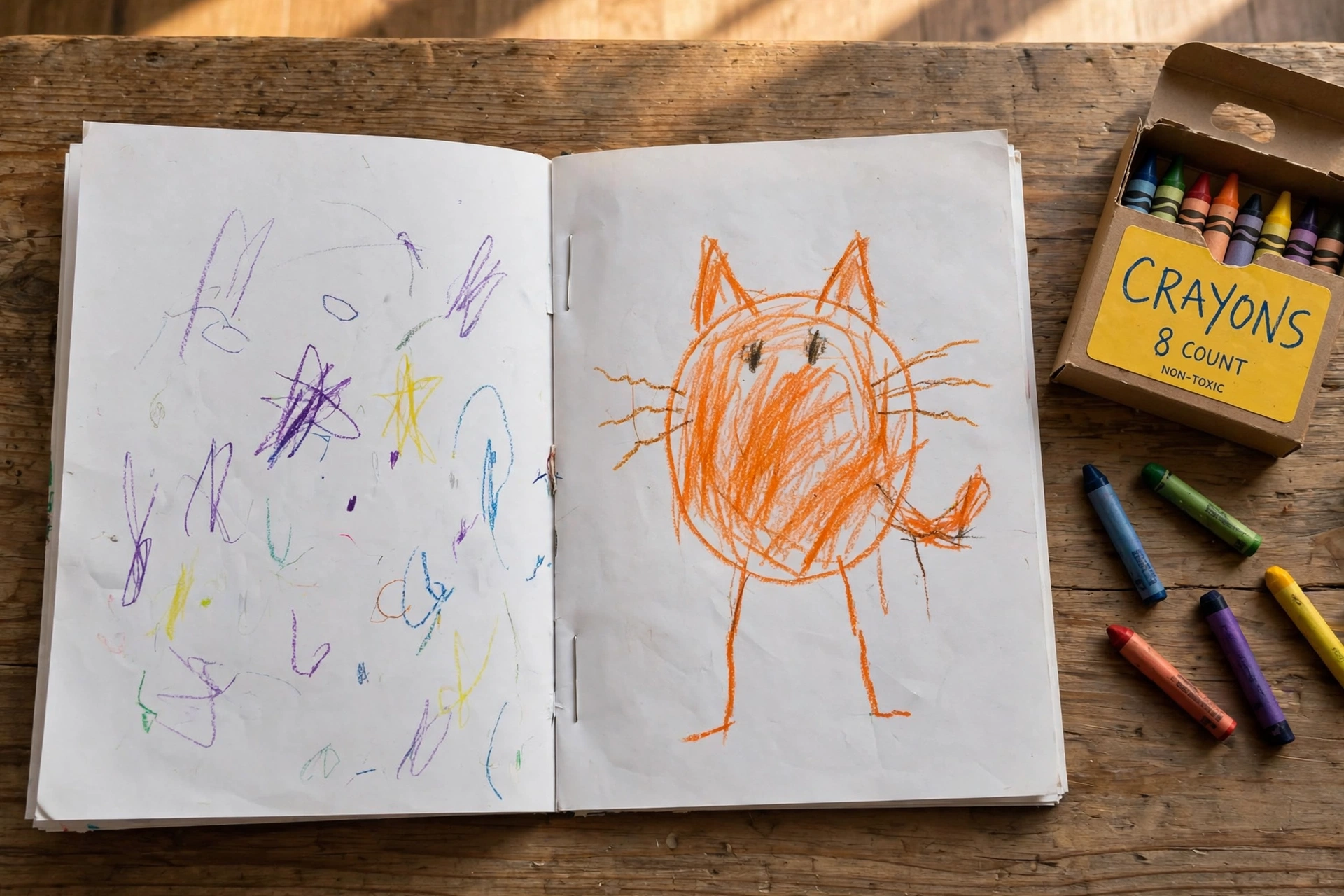
Create your own doodle book two ways: make a blank one at home with paper and a few staples, or turn your child's finished doodles into a real printed storybook.
There are two things people mean by "create your own doodle book," and they need different answers. If you want blank pages for a child to fill, make one at home: a stack of paper, a cardstock cover, and a few staples takes about ten minutes. If you want to turn doodles your child has already made into a real book, that's a different project, and the finished result is a printed storybook built around their drawing.
Search "create your own doodle book" and you get two crowds looking for opposite things. One wants empty pages a kid can scribble in on a rainy afternoon. The other has a folder of drawings already made and wants to turn them into something that lasts. Most guides only answer the first group and leave the second one guessing.
This covers both. The homemade version is genuinely easy and worth doing. And if what you actually have is a pile of finished doodles you can't bear to recycle, there's a better ending than a blank notebook.
What a doodle book actually is
A doodle book is a small, informal book meant for quick everyday drawing, usually homemade, with no expectation that anything inside turns out polished. That's the whole idea. Unlike a sketchbook, which tends to feel like a place to practice and improve, a doodle book signals that messy, half-finished scribbles are exactly what belongs there.
That looseness is the point, and it's why homemade ones often get used more than expensive bought ones. A kid who's handed a pristine $20 sketchbook can freeze up. A stapled-together book made from printer paper carries no pressure at all.
Option one: make a blank doodle book at home
This is the answer for the first crowd, and it's about as simple as crafts get. You need paper, something slightly heavier for the cover, and a way to hold the spine together.
Fold four to six sheets of regular paper in half, or cut them down to a smaller size if you want a pocket book. Add one sheet of cardstock as the cover so the whole thing has some structure. Then bind the spine with two or three staples along the fold. That's a finished doodle book, and most parents get there in under ten minutes with supplies already in a drawer.
If you want something that lasts longer or holds more pages, swap the staples for a hole punch and a small binder ring, or thread a length of ribbon or embroidery floss through punched holes and tie it loosely so the pages still turn. The ring version has a nice advantage: you can add or replace pages as they fill up. Craft blogs like Hello, Wonderful have free printable templates if you'd rather start with themed pages instead of blank ones.
The part that decides whether the book gets used isn't the binding, it's what's on the pages. All-blank works for some kids and paralyzes others. The reliable move is to seed a few pages with light prompts: a half-drawn shape to finish, a single word to illustrate, an empty frame waiting for a monster. Leave the rest blank. A five-year-old who won't touch an empty page will often finish someone else's squiggle without thinking about it.
Option two: turn finished doodles into a real storybook
Here's where the second crowd gets a real answer. If you already have drawings your child made, a blank book does nothing for them. What you want is to take a doodle that already exists and turn it into something worth keeping.
That's a different kind of project, and it's what DoodleTale does. You photograph one drawing your child made, in any medium, crayon, marker, paint, even a photo of something they built out of clay or paper, and it generates a printed storybook where that exact drawing becomes the main character. The story gets written around their doodle. Their wobbly dinosaur or lopsided house isn't cleaned up or replaced; it's the star.
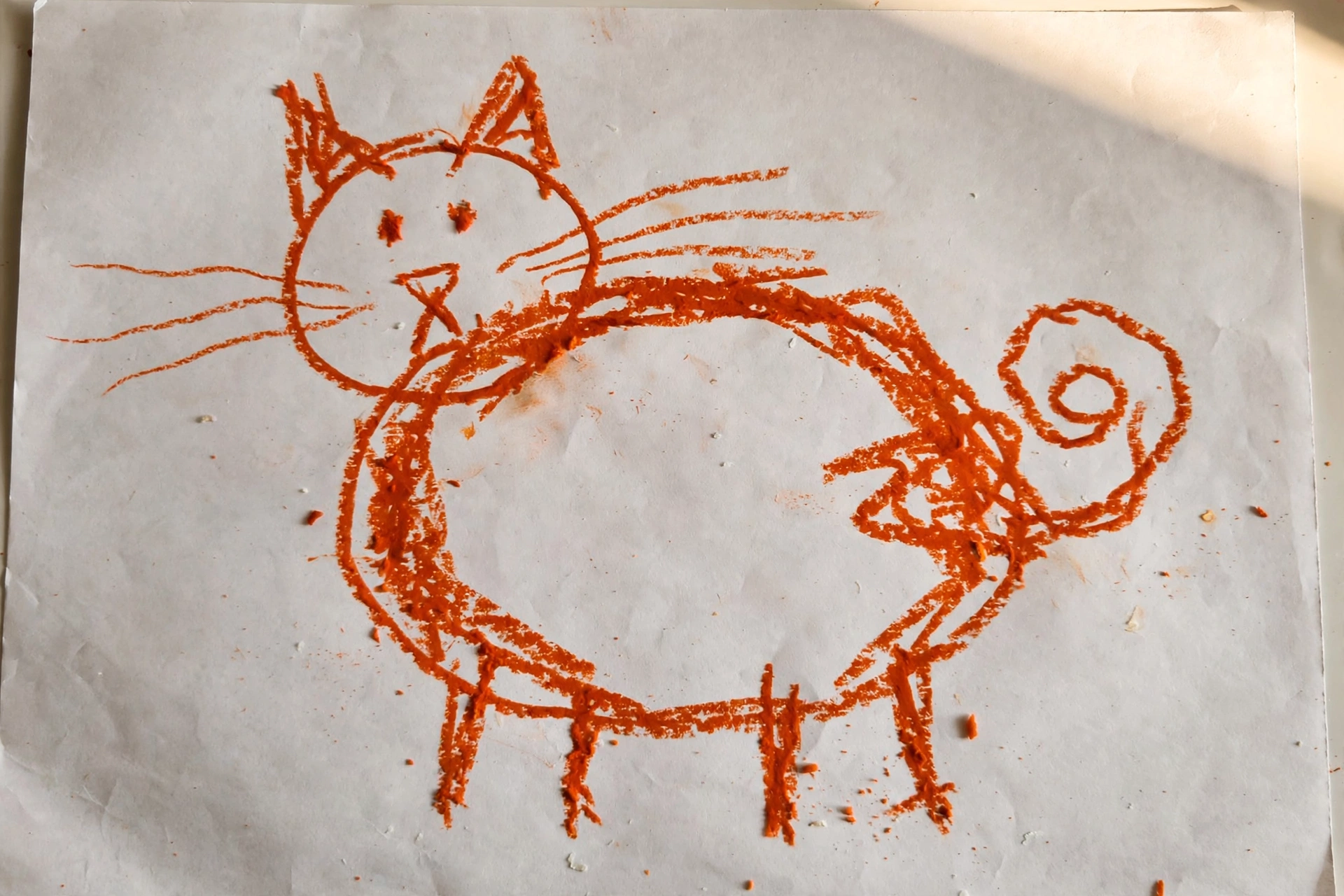
The doodle
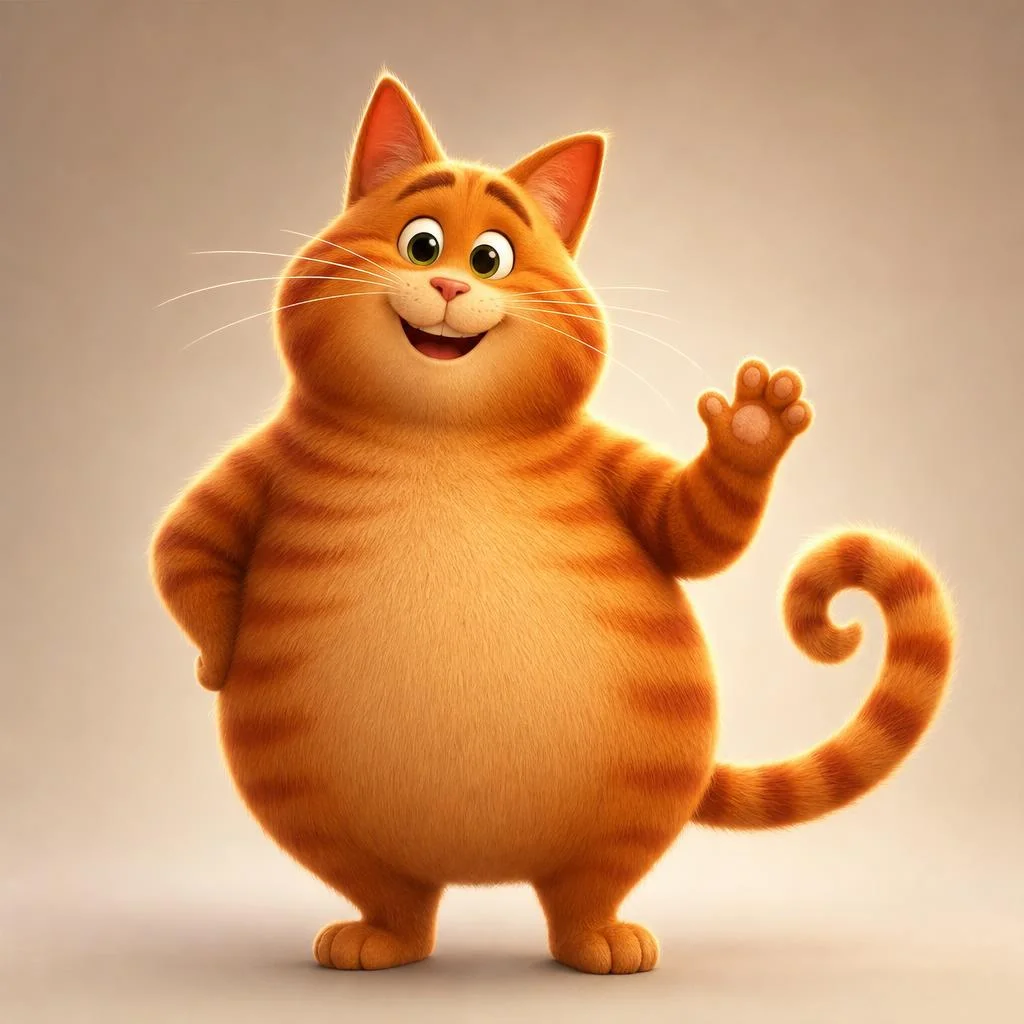
The storybook character
The difference from a DIY doodle book is worth being clear about. A homemade doodle book gives a child blank space to make new drawings. A printed storybook takes a drawing they already made and preserves it in a form that survives past the crayon years. One is an invitation to draw; the other is a keepsake of drawing that already happened.
A parent whose daughter had covered the fridge with the same round-bellied cat for a month used one of those drawings as the character in a book for her grandmother's birthday. The cat, exactly as the five-year-old drew it, ended up on the cover, in the story, on every page. The original drawing would have been recycled by summer. Instead it became the thing the grandmother reads at bedtime.
Which one is right for you
It comes down to what you're holding. If your hands are empty and you want to get a child drawing, make the blank book at home. It costs almost nothing, takes ten minutes, and the low stakes are exactly what a hesitant drawer needs.
If your hands are full of drawings already made, the blank book is the wrong tool. You don't need somewhere for new doodles to go; you need to save the ones you have. A printed storybook does that, and at $9.99 for a digital version or $29.99 for a printed softcover, it costs less than most bought sketchbooks while turning one drawing into something the whole family keeps. You can see the full pricing and make a free preview before deciding anything.
Plenty of parents end up doing both. The homemade book keeps a kid drawing week to week, and once a month or two of doodles pile up, one of the best ones becomes a book. The blank book feeds the finished one.
Frequently asked questions
Whichever way you go, the wobbly, imperfect drawing is the part worth keeping, not the part to fix.
Try it yourself
Turn your child's drawing into a real storybook
Free preview. No account needed. Ships to US & Canada.
Start for free