Do personalized storybooks actually benefit children? What parents notice
Do personalized storybooks actually benefit children? What parents notice
Do personalized storybooks actually help kids? Here's what the research says about name-based books, and why drawing-based books like DoodleTale hold kids' attention in a way that's harder to outgrow.
Yes. Kids genuinely engage more with personalized books, especially between ages 4 and 8. Name-based books get more re-reads than standard ones, but the effect fades once kids can read and realize it's a template. Drawing-based books hold longer: the connection is to something the child made, not just their name dropped into a pre-written story.
If you're wondering whether there's anything real behind the appeal of personalized storybooks, there is. But it depends on which kind you're talking about.
What the research says
Children pay more attention to stories when the main character shares their name. They stay focused longer and ask to re-read more often than they do with standard books.
The effect fades. Once a child can read, they figure out the name is a fill-in. Some of the magic goes with it.
Why drawing-based books hold differently
A drawing is evidence of something. The child thought of it, made it, probably gave it a name. When that drawing becomes the main character in a printed book (not a photo of the child, but their actual invented creature), what registers isn't just recognition. It's closer to: my thing got made real.
Parents who've used DoodleTale describe a pretty consistent pattern: the book gets read more than anything else in the house, and the child wants to show it to people. Not because they're in a story. Because they made the thing that's in it.
What parents actually see
Kids who normally squirm through five minutes of reading will sit through a personalized book multiple times in a row, especially that first week.
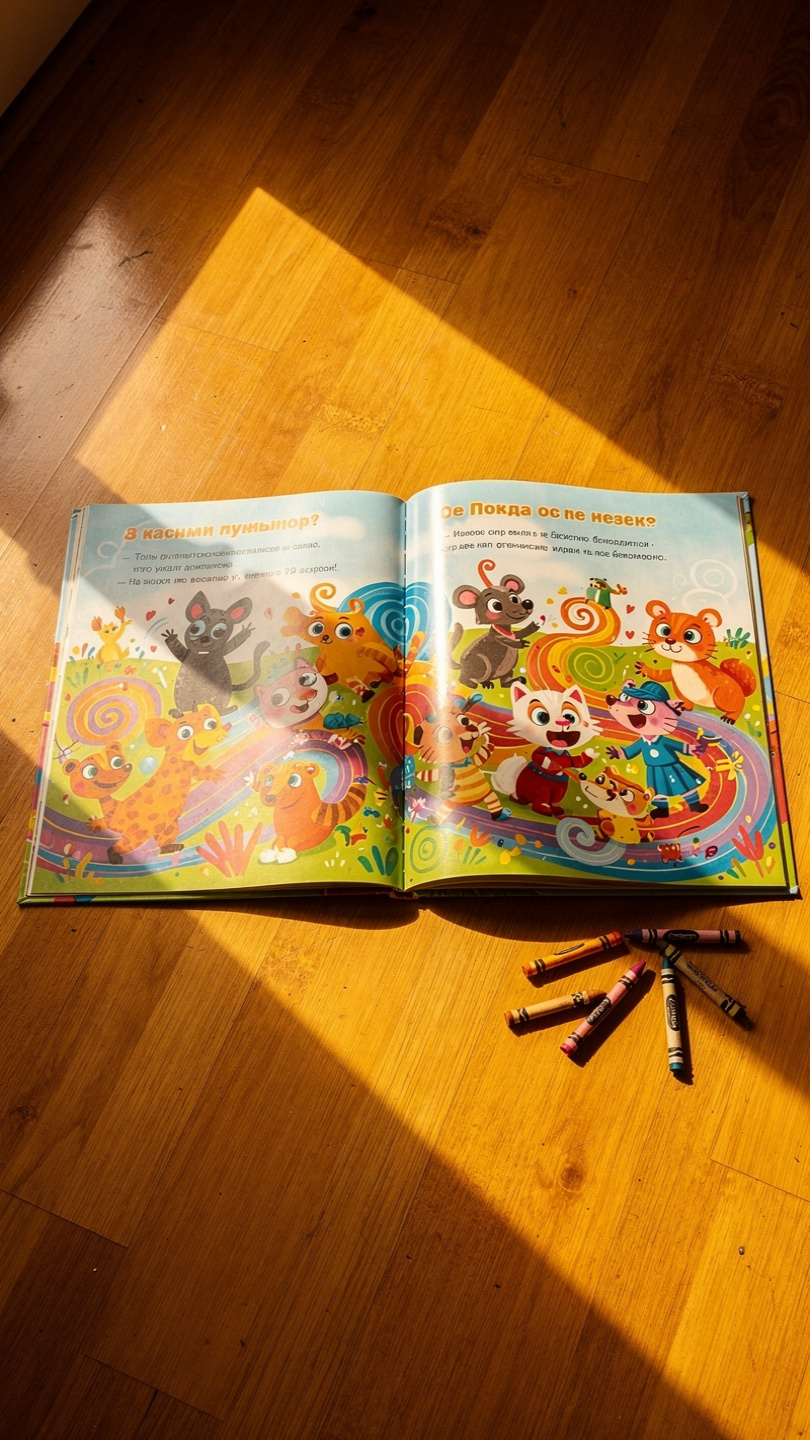
These printed books also get picked up without being told to. They end up on the floor, in the car, near the bed, not where the parent put them on the shelf.
The one that surprises parents most: some children start drawing differently afterward. When a child sees their artwork bound and delivered to the door, a few of them start taking what they draw more seriously, like it could become something.
What it won't do
It won't teach phonics. It's not going to fix a child who dislikes books. It's a story, not a reading program.
What it does is make reading feel like it has payoff. For a 4-to-8-year-old still deciding whether books are worth the effort, that's not nothing.
Is the price worth it?
Most parents say yes, especially in the 4-8 window when reading habits are still forming. The novelty fades. The book stays, and most children come back to it on their own.
Name-only books tend to lose steam faster. A child outgrows the name-substitution effect. A book from their own drawing is harder to outgrow. The connection is to something they made, not a character that happens to share their name.
The thing parents say most often: "I didn't expect them to ask for it that many times."
Related: Are personalized children's books worth the money? Honest answer by book type
Try it yourself
Turn your child's drawing into a real storybook
Free preview. No account needed. Ships to US & Canada.
Start for free