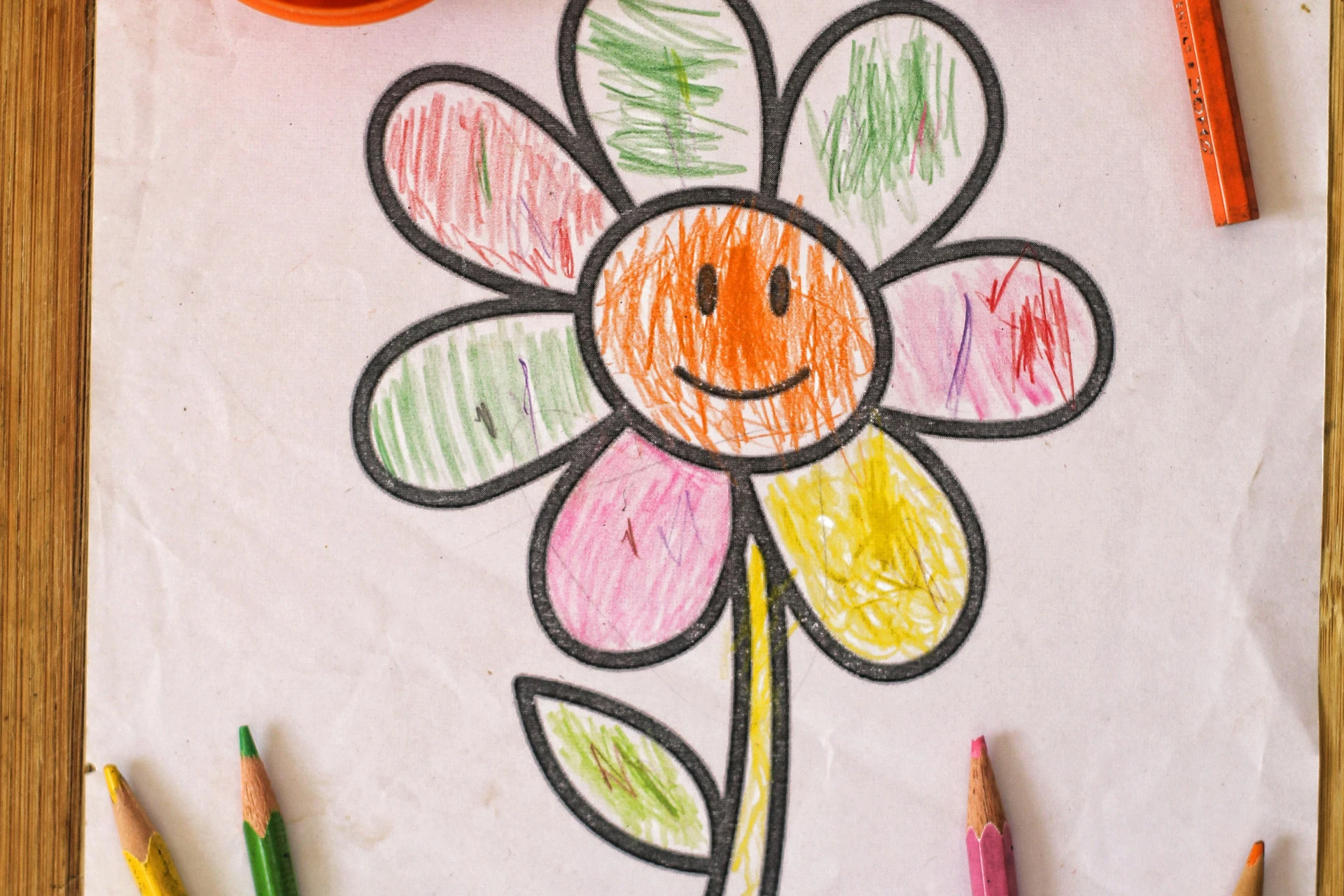
What to do with kids' drawings (the system that actually works)
What to do with kids' drawings (the system that actually works)
The pile of kids' drawings never stops. Here's a simple approach that ends the guilt: photograph everything, keep the best few, and do something real with the one that deserves it.
Photograph everything first, keep only the drawings that actually stopped you, and do something real with the best one. Photographing first is what removes the guilt from sorting a pile that never stops growing. DoodleTale turns a single drawing into a printed storybook, with about five minutes of setup.
The system that works: photograph everything first, keep only the drawings that actually stopped you, and do something real with the one that deserves it. Photographing before sorting removes the guilt because you've preserved all of it digitally. From there, most families end up keeping five to fifteen pieces per year physically, and one or two that become something more permanent, like a framed print or a printed storybook built from the drawing.
That's the whole system. The rest of this explains how to actually run it.
Start by photographing all of it, before you sort
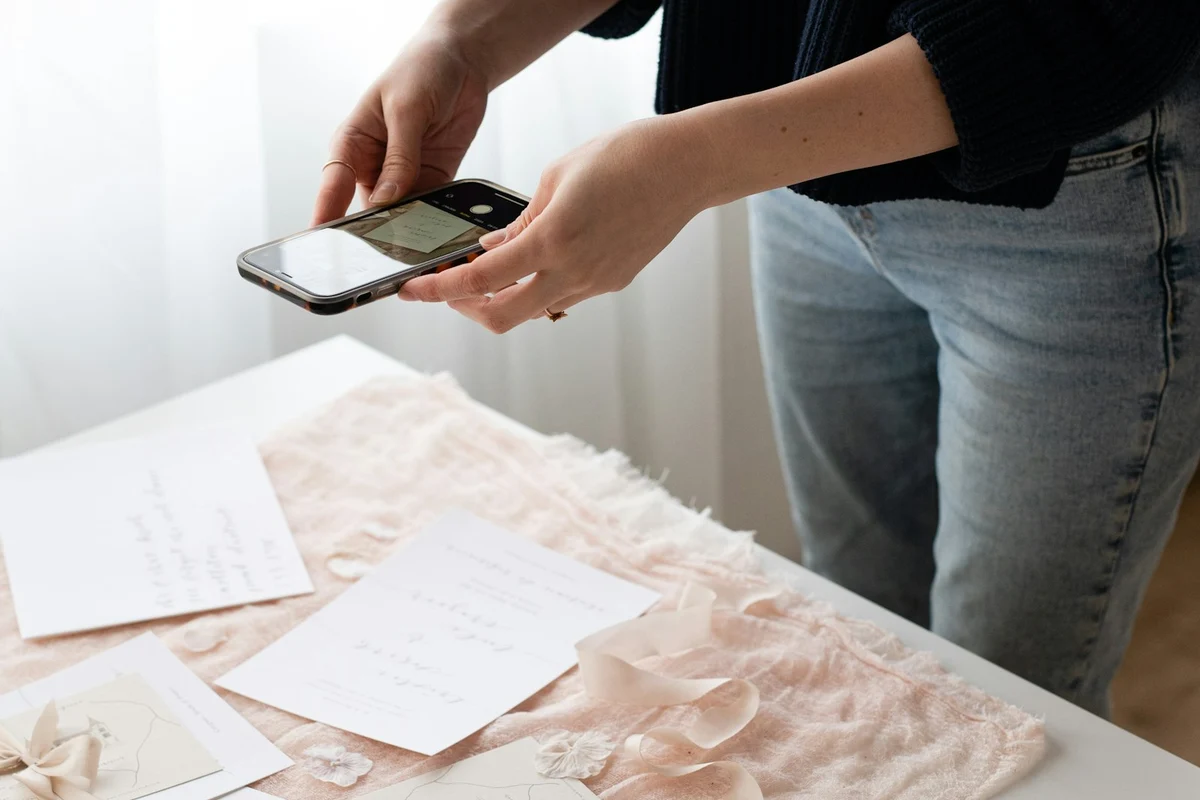
The first step has nothing to do with keeping or throwing away. It's building a complete digital archive, which is faster than it sounds. Spend one afternoon (or spread it across a few evenings) going through every drawing and taking a quick photo with your phone. Decent lighting is all you need.
Once everything has a digital record, the guilt disappears. You've preserved all of it. Now the physical sorting is about curation, not loss, and that's a much easier place to make decisions from.
Google Photos and iCloud both organize these automatically without any setup beyond just saving the photos. Some families create a shared album with grandparents, which turns into a gift in itself, because grandparents tend to want more of this stuff than parents realize.
Keep fewer pieces, but keep them properly
With the digital archive handled, the physical pile becomes manageable. You're looking for two categories.
First: drawings that stopped you when you first saw them. Not technically impressive drawings. Drawings that felt like a clear view of who your kid is. The self-portrait that somehow looks exactly like them. The drawing they made the week they were obsessed with whales. The one they narrated to you with a full plot when they handed it over.
Second: pieces that mark clear developmental moments. The first time they drew a recognizable face. The transition from scribble to deliberate shape. The week they figured out that houses have chimneys.
For most families, that's five to fifteen drawings per year, not fifty. The others get to stay in the digital archive without needing a physical home. Give the physical keepers a real home: a flat file folder, a document box, a frame on the wall.
Turn the best drawings into something people actually use
Some drawings deserve more than preservation. A child's artwork transfers to a surprising number of surfaces now: mugs, tote bags, printed blankets. These make good gifts for grandparents who want something real from the grandkids, not a toy that'll be forgotten by March. The same thinking applies to personalized gifts for dad if a holiday is coming up.
The one that lands differently is a printed storybook. DoodleTale takes a single drawing and builds a full personalized story around it. Your child's subject becomes the hero, their art style becomes the illustration style for every page. It's not a portfolio or a photo book. It has an actual plot, a beginning, and an end. There's a full explanation of what makes a kids art book keepsake worth making if you want to understand the format before committing. If you're weighing DoodleTale against other AI storybook tools like Magic Story, this comparison explains the difference.
Kids who receive books made from their own drawings treat them differently from library books or purchased picture books. The book is proof that their drawing went somewhere, that it became something. That changes how they relate to it.
Storing the artwork that comes home from school
School art is its own kind of flood. It arrives in bursts, a whole folder at a time, and it's the pile most likely to end up crammed in a drawer because tossing anything feels like tossing a piece of your kid. Professional organizers who specialize in this have a few moves worth stealing.
The first is almost too simple: date it on the way in. As Katrina Hassan, a KonMari consultant at Spark Joy London, advises, "as soon as a piece of artwork comes in, write the date on the back (and the year group your child is currently in)." A drawing with no date is a mystery in five years; a dated one is a keepsake. She also suggests a "weather tight box" for each child as a temporary holding spot, so the art has one place to live instead of migrating across every surface in the house.
Then curate rather than keep everything, and cap the number on display. Hassan recommends choosing "a target number of pieces to showcase at one time, otherwise the space can become cluttered very quickly," and framing the pieces that genuinely spark joy: "if a piece of art really sparks joy for you, and the memory associated with it creates a feeling of warmth and love, I always recommend putting that piece in a frame." Everything else goes in the digital archive from the step above. And once a piece is safely photographed or scanned, organizers agree you have permission to let the physical version go, "if you have already invested in a digital option, there isn't really much need to hold on to the physical item."
The end-of-year sort is easier if you involve the child: let them help pick the few keepers, which turns the toss from a guilty secret into a shared decision. The one or two that rise above "keep" and into "this is unmistakably them" are the candidates for something more permanent.
How do I let go of kids' art without feeling guilty?
Photograph it first, then let it go. Once a drawing has a digital copy, recycling the paper doesn't erase it, and the handful you keep means more because it isn't buried under everything else.
The drawings that don't make any of these cuts (photographed, not special enough for physical keeping, not a storybook candidate) can go. It's what makes the collection you do keep mean something.
A useful test: after you've photographed a drawing, if you wouldn't notice it missing from the digital archive, it doesn't need to live anywhere physical. Kids produce an enormous volume of work, and most of it is practice, not milestone. The everyday pieces make the meaningful ones harder to see.
The photo exists. That's enough.
How to handle the backlog if it's already out of control
If you've got a three-year pile and no system, don't try to sort and archive at the same time. That way lies a full Saturday lost to indecision. Spend one session doing nothing but photographing everything without making any decisions. Just capture it all.
Then, over the following week, look through the photos whenever you have a moment and pull out anything that still surprises you when you see it. That becomes your physical keep list.
From that keep list, find the one drawing that feels most like your kid: the most expressive, the most characteristic, the most unmistakably theirs. That's the one worth doing something real with. If you haven't seen what parents say about receiving a storybook made from a child's drawing, it's worth five minutes.
If it helps to know you are not alone in the pile, the same question as argued out on Reddit is a fair read on the guilt side of this, and how to preserve kids' artwork covers the archival methods in more depth.
The drawing she's most proud of has been in a book for three months, and she still reads it at bedtime even though she has it memorized.
Related: How to illustrate a children's book digitally without learning illustration software · MyStoryBot alternative: for parents who want a book built from a drawing · Hooray Heroes alternative: for parents who want a story built from a drawing
Try it yourself
Turn your child's drawing into a real storybook
Free preview. No account needed. Ships to US & Canada.
Start for free