AI children's book generators: what's actually free (and what that means)
AI children's book generators: what's actually free (and what that means)
A free AI children's book generator exists, but only for digital stories. Here's what the free tools produce, where free stops, and when a paid drawing-based book is worth it.
Yes, several AI tools generate children's stories for free, including Canva's story features, Book Creator, and StoryBee's free tier. They have one thing in common: they work from a text prompt, use generic AI illustrations, and give you a digital file rather than a printed book. If you want a physical book, or one built from your child's actual drawing, free doesn't cover that. It's a different product, and worth understanding before you start.
"Is there a free AI children's book generator?" is a fair question, and the honest answer is yes, with an asterisk. AI tools are everywhere right now, and several do offer free story generation. But what you actually walk away with changes a lot depending on what you mean by "children's book." A story on a screen and a hardcover on the shelf are two very different things, and free covers one of them.
What free AI story generators actually produce
The common free tools work the same way under the hood. You type a description, the AI writes a short story, usually eight to twelve pages, and pairs the text with AI-generated illustrations. Canva has story and design features in its free plan, Book Creator includes AI writing tools aimed at classrooms, and StoryBee offers a free tier built around kids' stories.
The writing tends to be coherent and age-appropriate. You can ask for a story about a brave little fox or a trip to the moon, drop in your child's name, and get something readable in a minute or two. For a quick bedtime story or a rainy afternoon, that is genuinely useful, and it costs nothing.
The illustrations are where the seams start to show. Because the images come out of the same model with the same style defaults, books from a given tool tend to look alike: the generator's house style rather than something made for your kid. On a screen, read once, that is often fine. It becomes more noticeable the moment you want to keep the thing.
Where free quietly stops
Free generators are generous with the first step and stingy with the last one. The story is free. The clean, finished, keepable version usually is not.
In practice that shows up as a few common limits. Some tools watermark the output unless you upgrade. Some cap how many stories you can make per month, or how many pages a story can have. Some let you read the story in their app but charge to export a real file or a PDF. And almost none of them print and ship a physical book at no cost, because printing and shipping are real costs that no free tier has found a way to absorb.
None of that makes the free tools bad. It means they are built for the screen, and the screen is free. A printed storybook from an AI service typically starts around $25 to $40, which is competitive with traditional personalized books, but it is not free, and no amount of searching will make printing free.
The character consistency problem
There is one technical limit worth understanding, because it is the main thing separating a free generated story from a book that feels finished: keeping the character the same across every page.
When a general image model illustrates a twelve-page story, the hero on page two and the hero on page nine come out similar but not identical. The fox is a slightly different orange, the ears change shape, the outfit drifts. A scrolling adult barely registers it. A four-year-old who knows exactly what their character looks like notices immediately, and the small inconsistencies quietly break the spell. Free tools that pull individual images from a general model, like Adobe Firefly, run straight into this. It is a hard problem, and solving it is most of what you are paying for when a book costs money.
What drawing-based generators cost
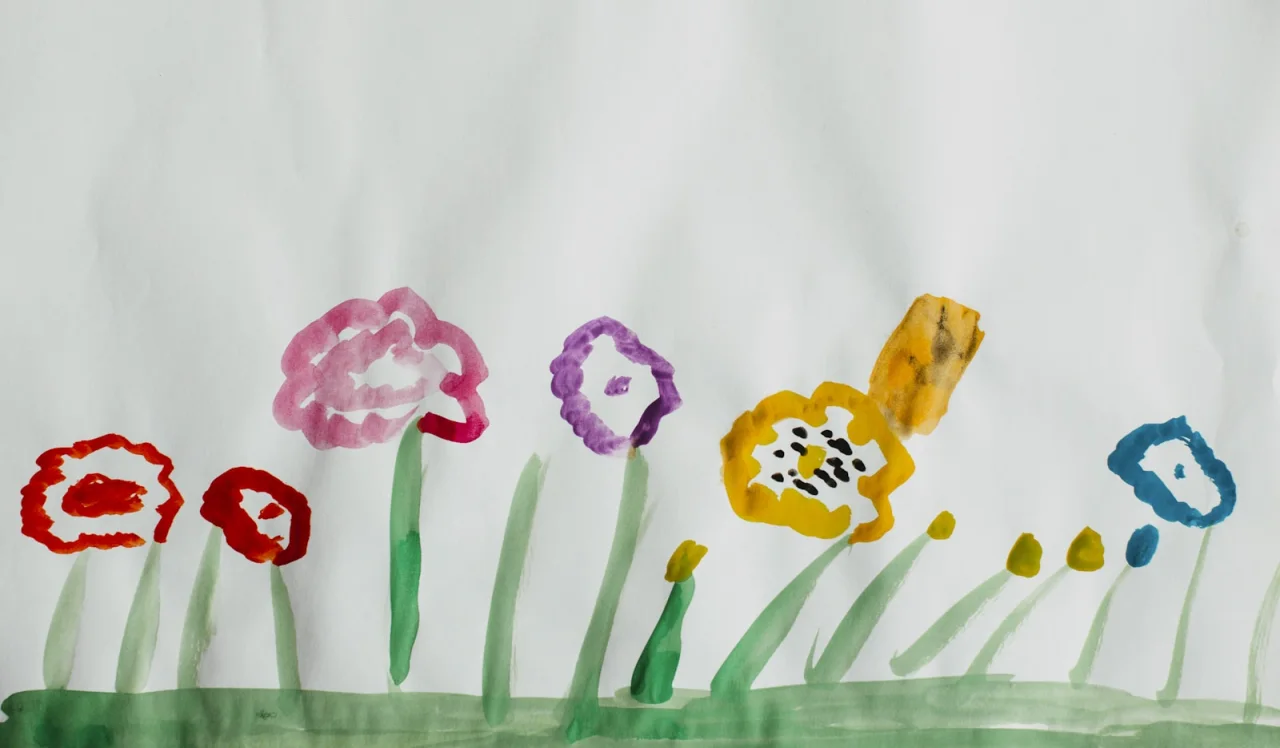
There is a third category that no free tool covers at all: AI generators that use your child's actual drawing as the basis for the illustrations.
DoodleTale is the main example. You upload a photo of a drawing, a crayon monster, a stick-figure family, their self-portrait, and the AI uses it to build a consistent illustrated character through a personalized story. The drawing is the input, and the whole book is built around it, which is a much harder job than turning a text prompt into a generic story.
That is also why there is no free tier. The product itself is the illustrated, character-consistent printed book, so giving it away free would mean giving away the part that costs money to make. You can preview the result before you commit, so you are not buying blind, but the finished book is paid. The current pricing lines up with other printed personalized book services: $29.99 for a premium softcover, with free shipping to the US and Canada.
Whether it is worth it depends on what you are after. A free digital story with your kid's name in it is one thing, and a good one for tonight. A physical book where your kid's own drawing becomes the main character, the same character on every page, is another, and it is the kind of thing that gets kept.
A quick word on kids' privacy
One thing worth slowing down on before you type your child's name or upload their photo into any tool: where that information goes.
Services built specifically for children usually follow COPPA, the US rule governing how companies handle data from kids under thirteen. General-purpose AI tools often were not designed with that in mind, and their terms can allow using whatever you upload to train future models. The practical rule is simple. Read the privacy policy, look for a clear statement about children's data, and if a tool doesn't have one, don't feed it photos or details about your child. A free story is not worth handing a stranger your kid's face.
What this looks like in practice
Here is the usual arc. A parent wants something special for a six-year-old's birthday, searches for a free AI children's book generator, and finds one in a minute. They type a story about their kid and a friendly dragon, the tool spits out twelve pages, and it is genuinely charming on the screen. Then they go to save it, and the free version exports with a watermark across every page, or caps at six pages, or asks for a card to download a clean copy. So they pay a few dollars for the export, print it at home on regular paper, and the dragon looks a little different on every page.
It is a fine result, and for some occasions it is exactly enough. But it is worth seeing that arc coming, because "free" did most of the work and then quietly stopped right before the part that turns a story into a keepsake. If the plan was always a screen story, you lost nothing. If you were picturing a book the kid keeps, you have now spent an hour discovering that the free tool was never going to get you there.
Which free tools are worth trying
For a quick digital story, a general generator like Canva or Book Creator gets you something fast, and Book Creator in particular works well when an older kid wants to help write rather than just receive a story. For something that feels closer to a real book, StoryBee's free tier gives you a complete story with better illustrations than most free options, and it is worth trying just to see what AI storybooks can look like before you pay for anything.
None of these print a physical book for free, and none of them can take a drawing and use it as the visual source for a character. That simply doesn't exist in the free tier of any current tool. If a screen story is what you need, start free. If a kept book is what you are picturing, free is the wrong place to look, and knowing that up front saves an hour of disappointment.
On the illustration question underneath all of this, and how far AI has actually got with keeping one character consistent across thirty pages, see is there an AI that can illustrate a children's book.
Frequently asked questions
Whatever tool you start with, the moment your kid says "can we read it again" is the one that matters.
More on this: The best AI storybook for kids in 2026 (compared) · AI personalized children's books: how they actually work · Is it safe to use AI for kids' books? · Which app turns your kid's drawing into a story?
Try it yourself
Turn your child's drawing into a real storybook
Free preview. No account needed. Ships to US & Canada.
Start for free